

Yes, you can add a lattice top to most existing fences, and for many U.S. homeowners it’s one of the most cost-effective ways to gain height, style, and partial privacy at once.
Here’s the short version before you dig in:
- Adds height and curb appeal without the closed-in feel of a solid panel; lattice allows light and airflow and supports climbing plants
- Reduces wind resistance compared to a solid extension, but exposed sites still need structural review; lattice also tends to need more maintenance than the solid fence below it
- May count toward your legal fence height — most jurisdictions measure from grade to the top of any attached lattice, not just the solid boards
- Next step: inspect your existing posts for rot or wobble, pull up your city or county building department’s height rules, check your HOA guidelines if applicable, and request an on-site estimate from Advantage Fence before you buy materials
Key Takeaways
A lattice top fence adds height, style, and partial privacy to most existing fences, but post condition, local height limits, and wind exposure determine whether it’s a straightforward upgrade or a structural project.
| Point | Details |
|---|---|
| Lattice counts toward fence height | Most U.S. jurisdictions measure to the top of lattice, so verify local limits before installing. |
| Material drives lifespan | Vinyl lasts 20–30 years with minimal care; wood needs sealing every 2–3 years to reach 15 years. |
| Post condition is the first check | Rotten or leaning posts must be reinforced before lattice adds wind load. |
| Cost varies by material and scope | Installed costs vary depending on material, post work, and permit fees. |
| Advantagefencenj handles the full project | From permit assistance to structural reinforcement and warranty-backed installation. |
Table of Contents
- What are the real pros and cons of a lattice top fence?
- Which materials and styles work best for lattice tops?
- How much does a lattice top fence cost, and how long does it take?
- Do permits and HOA rules apply to lattice tops?
- How does lattice actually get attached to an existing fence?
- How long will a lattice top last, and what maintenance does it need?
- When should you hire a pro for a lattice top installation?
- What installers see that homeowners miss
- Lattice top installation done right, from estimate to warranty
- Sources
What are the real pros and cons of a lattice top fence?
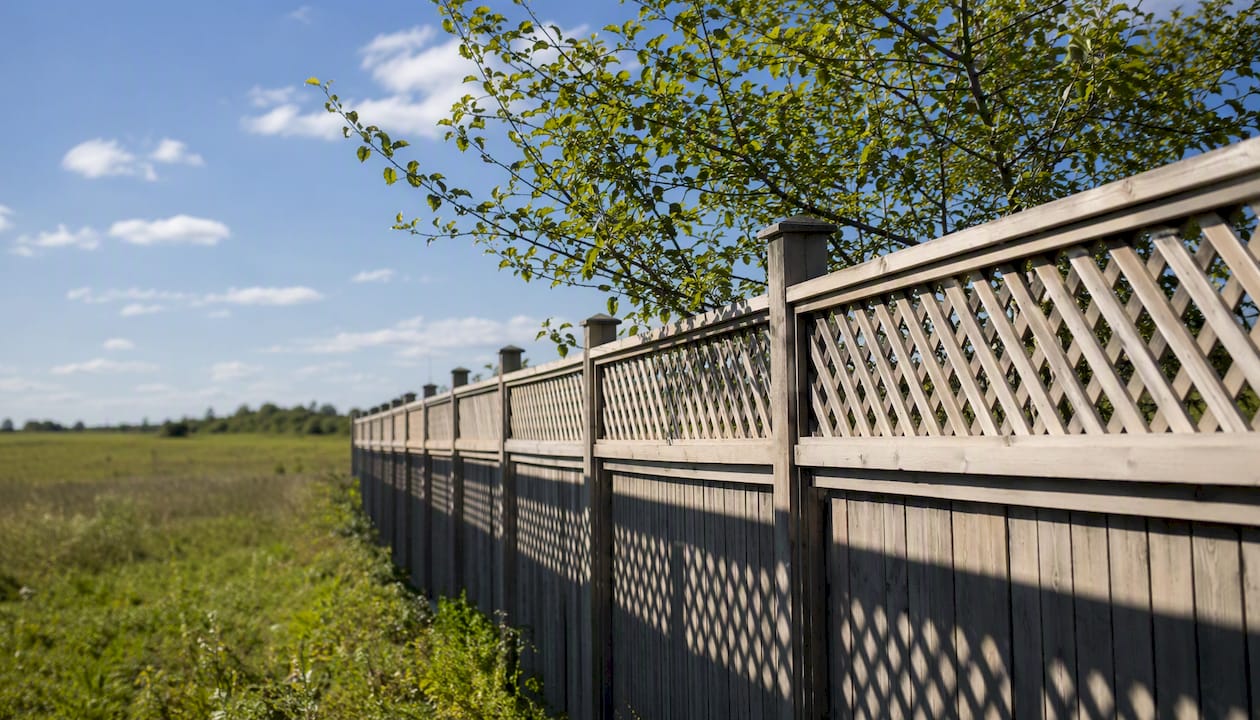
A lattice top fence hits a sweet spot that a fully solid fence misses: it adds perceived height and decorative interest while keeping the yard from feeling like a bunker. Lattice-top panels allow light through and give climbing vines a structure to grip, which makes them a natural fit for garden borders, pool surrounds, and side yards where you want separation without total enclosure.
Pros:
- Adds a modest amount of effective visual height without requiring a full fence replacement
- Softens the look of a plain board fence with minimal extra cost
- Supports clematis, jasmine, and other climbers that improve privacy over time
- Lets air move through, which matters in humid climates where solid panels trap moisture and promote rot
Cons:
- Not suited for maximum-security perimeters or the most exposed, high-wind sites — the open grid catches wind differently than a solid panel, and in storm-prone areas that load transfers directly to your posts
- Provides partial privacy, not full screening; neighbors at a second-story window can still see over it
- Wood lattice needs repainting or restaining every few years; even vinyl lattice can yellow or crack at the joints over time
- Fragile compared to solid boards — a stray baseball or heavy branch can snap a section
Pro Tip: Choose a lattice height of 12–24 inches above your solid fence. Taller than 24 inches starts to act like a sail in wind, and shorter than 12 inches adds little visual privacy. Diamond-pattern lattice with smaller openings gives noticeably more screening than wide-square-grid styles.
Which materials and styles work best for lattice tops?
The material you pick determines how long the lattice lasts, how much upkeep it demands, and how it looks against your existing fence. Four options dominate the U.S. market.
| Material | Privacy level | Durability / lifespan | Typical cost (installed) | Maintenance |
|---|---|---|---|---|
| Pressure-treated wood | Medium | moderate lifespan | typical cost varies around mid-range | Requires periodic maintenance |
| Cedar | Medium–high | moderate lifespan | typical cost varies around mid-range | Requires periodic maintenance |
| Vinyl | Medium | relatively long lifespan | typical cost varies around mid-range | Requires minimal maintenance |
| Aluminum | Low–medium | long lifespan | Higher initial cost | Requires minimal maintenance |
Cost ranges sourced from FairFences’ material planning data.
Beyond material, pattern choice shapes how much privacy you actually get:
- Diamond lattice, small openings (1"–2"): highest visual screening; classic look that suits traditional and cottage-style homes
- Square lattice, standard openings (3"–4"): moderate privacy; more contemporary feel; pairs well with horizontal-board fences
- Wide-open or slatted tops: lowest privacy but best airflow; in very exposed sites, a slatted design reduces the sail effect further than standard lattice
- Decorative cap-and-trim lattice: adds routed edges and post caps for a finished, architectural look without changing the privacy rating
Privacy rating at a glance: Small-diamond vinyl lattice = high screening. Standard square wood lattice = medium. Wide slatted aluminum = low.
For design inspiration beyond the backyard, commercial-grade fence styling ideas show how lattice trim and cap details translate to residential projects.
How much does a lattice top fence cost, and how long does it take?
Budget and timeline vary more than most guides admit, because the condition of your existing fence is the biggest wildcard.
| Scenario | Typical cost range | Timeline |
|---|---|---|
| DIY wood lattice top (materials only) | $3–$8 per linear foot | 1–2 days for 50 ft |
| Professional installation of wood or cedar lattice tops typically costs more and takes a few days for a moderate length. | ||
| Professional installation of vinyl lattice tops usually involves moderate cost and can be completed within a day for a typical run. | ||
| Post reinforcement adds incremental cost and time depending on the post condition |
Cheaper lattice panels use thin strips that split within a few seasons; higher-quality materials cost more upfront but last significantly longer. That quality gap is worth understanding before you buy the least expensive panels at a home center.
Main cost drivers:
- Linear footage — the single biggest variable
- Fence condition — rotten posts or rails need repair before lattice goes on, adding labor and materials
- Material grade — contractor-grade vinyl or cedar versus builder-grade pine
- Local labor rates — vary significantly by region
- Permit fees — typically $50–$150 in most U.S. municipalities, though some jurisdictions waive fees for additions under a set height
For a broader look at how material choices affect your total budget, the aluminum fence cost breakdown covers the same cost-driver logic that applies to lattice-top projects.
Do permits and HOA rules apply to lattice tops?
Almost always, yes. Municipal guidance consistently counts lattice and decorative extensions toward total fence height — so a 6-foot solid fence with 18 inches of lattice on top is typically measured as a 7.5-foot fence. Most U.S. residential zones cap fences at 6 feet in rear yards and 4 feet in front yards, which means even a modest lattice addition can push you over the limit.
Before you order materials, check these:
- City or county building department: ask for the residential fence height limit, whether lattice counts toward that limit, and the permit threshold (many jurisdictions require a permit for any fence over 6 feet)
- HOA architectural review board: get the approved height, material, and color in writing — verbal approvals mean nothing when a neighbor files a complaint
- Property survey: confirm the fence sits on your property line, not your neighbor’s; shared-line fences often require neighbor consent before modification
Pro Tip: Request written confirmation from both your permitting office and your HOA before installation begins. A screenshot of an email reply is enough. Verbal “it should be fine” answers have cost homeowners real money in removal orders.
How does lattice actually get attached to an existing fence?
The attachment method determines whether your lattice survives the first hard storm or starts pulling away from the fence within a year.
- Inspect the existing fence. Check every post for rot at the base, wobble, and cracked rails. Lattice adds wind load; a weak post that holds today may fail under the added stress. Reinforce or replace problem posts before anything else.
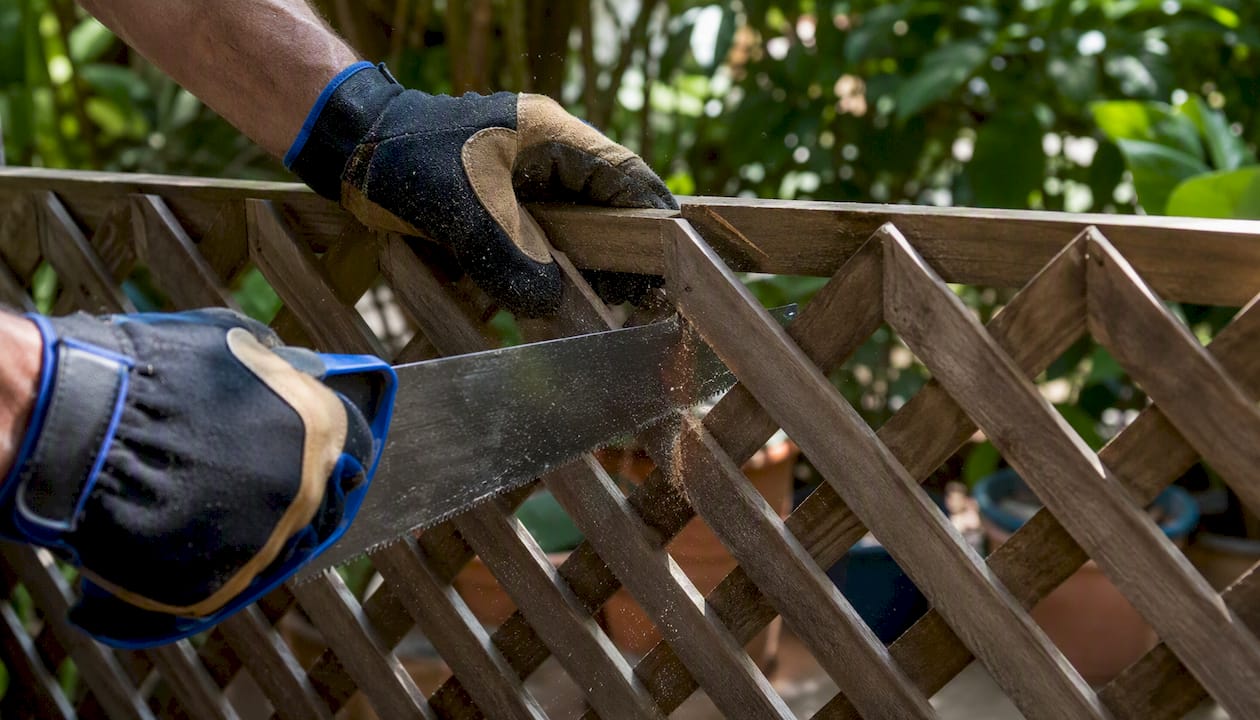
- Measure and cut lattice panels. Cut to span between posts, leaving a small gap for expansion (especially with vinyl). Pre-drill holes to prevent splitting.
- Attach to the top rail or add a ledger board. For lattice under 12 inches, screwing directly into the top rail often works. For taller sections, add a ledger board or post extension to carry the load properly.
- Fasten with exterior-grade screws and brackets. Staples and nails back out over time. Exterior-grade screws (stainless or coated) and metal post caps hold far longer, especially through freeze-thaw cycles.
- Add trim and cap boards. A routed cap board along the top edge protects the lattice from water intrusion and gives the installation a finished look. Seal all cut wood edges before capping.
Do not add lattice if: posts are rotten at grade, the site faces sustained winds above 40 mph without a windbreak, or the existing rails are cracked or pulling from posts. In those cases, the fence needs structural work first.
Common DIY mistakes: skipping post inspection, using indoor-grade fasteners, and cutting lattice panels too tight so they buckle when vinyl expands in summer heat. Pros address all three at the estimate stage.
How long will a lattice top last, and what maintenance does it need?
Lifespan depends almost entirely on material and how consistently you maintain it.
- Pressure-treated pine: 10–15 years with paint or stain every 2–3 years; skip a cycle and moisture gets into the joints, splitting the strips within a season
- Cedar: 15–20 years; seal every 2–3 years; the natural oils slow rot but don’t eliminate it
- Vinyl: 20–30 years; rinse with a garden hose annually; avoid pressure-washing at high PSI, which can crack joints; vinyl fencing options and warranty expectations vary by manufacturer grade
- Aluminum: 30+ years with essentially no maintenance beyond an occasional rinse; powder coat resists UV and salt air better than paint
What shortens lifespan fastest: moisture trapped behind lattice against a wood rail, climbing plants that hold moisture against the surface, and fastener failure that lets panels flex and crack. Check fasteners every spring — a loose screw costs nothing to tighten; a panel that’s been flexing for two seasons often needs full replacement.
Pro Tip: When replacing a damaged lattice section, bring a piece of the old panel to the lumber yard. Lattice strip width and spacing vary between manufacturers, and a mismatched replacement panel looks worse than the damage it fixed.
When should you hire a pro for a lattice top installation?
DIY lattice works fine on a short run of fence with solid posts and a simple attachment. Hire a professional when any of these apply:
- Posts show any softness, lean, or rot at grade
- The site is exposed to wind (open lots, hilltops, coastal areas)
- You want lattice taller than 18 inches, which meaningfully increases wind load
- You need a permit and want permit-ready drawings included
- You want the lattice finish to match an existing fence exactly (color, cap profile, post caps)
Advantagefencenj handles the full scope: on-site post inspection, structural reinforcement where needed, permit assistance, material selection across wood, vinyl, and aluminum options, and installation backed by a company warranty.
What to ask on any estimate: Which fastening method will you use, and why? Does the quote include permit filing? What’s the warranty on labor and materials? Will you inspect the existing posts before finalizing the scope?
Getting clear answers to those four questions separates a thorough installer from one who will call you mid-project with change orders.
What installers see that homeowners miss
The three mistakes that show up most often on lattice-top jobs are skipping the permit check, attaching lattice to rails that can’t carry the added load, and underestimating what wind does to an open-grid panel on an exposed lot.
Skipping the permit check feels harmless until a neighbor files a complaint and the building department orders removal. Attaching to weak rails looks fine on day one and fails at the first storm.
Professionals correct all three before a single screw goes in: pulling the permit, reinforcing posts to the new load spec, and in exposed sites recommending a slatted or wider-grid design that genuinely reduces the sail effect. That upfront work is what separates a lattice top that lasts a decade from one that needs repair after the first nor’easter.
Lattice top installation done right, from estimate to warranty
Replacing a sagging lattice panel or pulling a fence that violated height limits costs far more than getting the project right the first time. Advantagefencenj offers on-site inspections, permit assistance, structural reinforcement, and full installation across wood, vinyl, and aluminum options, all backed by a company warranty.

The process starts with a site visit: a crew member checks your existing posts, measures the run, reviews your local height limits, and gives you a written estimate with material specs and a timeline. No guesswork, no mid-project surprises. Request your on-site estimate at Advantagefencenj or review the full range of fencing services to see what’s included before you call.
Sources
- Lattice Top Privacy Fence: Design & Options | FairFences
- How To Install Lattice On Top Of Fence: A Step-by-Step Guide
- Does Lattice Count as Fence Height in Toronto? – ALUMIGUARD MFG
- Trellis & Lattice Fence Cost, Prices & Detail | FenceGuides
- Slatted vs Lattice Top Fence Panels | Modern Garden Boundary